Last updated: May 2026
What Is Bioremediation? A Plain-Language Definition
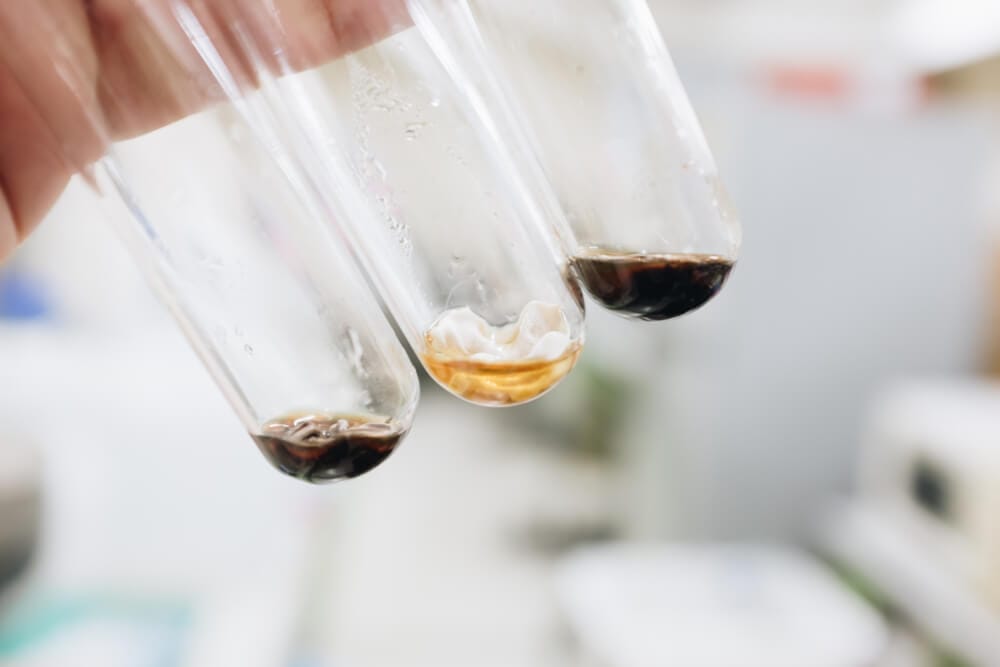
Bioremediation is the controlled use of living microorganisms such as bacteria, fungi, and in specific applications, plants, to metabolise and break down hazardous contaminants into non-toxic or significantly less toxic compounds.
Unlike surface-level chemical disinfection, bioremediation targets the molecular structure of the contaminant itself, converting it through enzymatic breakdown into carbon dioxide, water, and inert biological matter.
The field has seen significant advancement over the past two decades, motivated by increasing pressure to address environmental contamination challenges.
With population growth continuing, the need for effective, lower-impact remediation methods has become more urgent and bioremediation is one of the most established tools available.
You may not have encountered the term bioremediation outside an environmental science context.
But if you’ve dealt with a contaminated property (for instance following a crime, an accident, mold growth, or a chemical spill) you’ve likely needed the service it describes. The underlying science applies across all of these situations. The tools, protocols, and timescales differ significantly.
How Does Bioremediation Work?
The basic mechanism is this: microorganisms metabolise hazardous compounds as an energy source, converting them into less harmful byproducts. These are typically carbon dioxide, water, or inert biomass. This separates bioremediation from many chemical-only treatments, which can shift contamination from one form to another without breaking the molecular structure down.
In practice, the process requires four conditions:
- Appropriate microorganisms (either those already present or specific strains introduced to the site)
- Adequate nutrients (nitrogen, phosphorus, oxygen)
- Correct temperature and moisture ranges
- Physical access to the contaminant.
When any of these conditions are absent, bioremediation slows significantly or fails.
Professional site assessment before treatment is not optional. It determines if bioremediation is the right approach and, if so, which method to use.
The Three Types of Bioremediation
Most technical sources distinguish three broad categories. The right approach depends entirely on the type of contamination, the site conditions, and the urgency of the situation.
1. In situ bioremediation
Treatment occurs directly at the contamination site, without removing the material. Common for subsurface soil and groundwater contamination where excavation would be impractical or cost-prohibitive. Biostimulation and bioaugmentation are both in situ approaches.
Typical timescale: months to years.
2. Ex situ bioremediation
The contaminated material is physically removed and treated elsewhere. This could be in bioreactor systems, compost-based systems, or designated land treatment areas. More controllable and faster than in situ, but more disruptive and expensive.
Typical timescale: weeks to months.
3. Intrinsic bioremediation (natural attenuation)
The environment is monitored while its existing microbial populations work through the contamination naturally, without active intervention. Only appropriate when contamination levels are low, the site is isolated from human exposure, and natural recovery rates are demonstrably adequate. Typical timescale: years to decades.
IMPORTANT FOR PROPERTY OWNERS: Natural attenuation is never appropriate for a property in which people are living, working, or are at risk of exposure. If someone proposes this method as a solution following a biohazard event, it is not an adequate response.
Bioremediation Techniques: Bioaugmentation, Biostimulation, Phytoremediation, and Mycoremediation
For ease of reference, the four bioremediation techniques are clarified in table form below:
| Technique | What It Does and When | Typical Use Case |
|---|---|---|
| Bioaugmentation | Introduces specific microbial strains to break down the target contaminantTimeline: weeks-months | Oil spills, hydrocarbon contamination, biohazard/crime scene cleanup |
| Biostimulation | Adds nutrients or oxygen to stimulate native microbial populations on site Timeline: months-years | Groundwater, soil where native microbes are already present |
| Phytoremediation | Uses plants to absorb, contain, or break down contaminants from soil/waterTimeline: years | Heavy metals, agricultural runoff, low-level soil contamination |
| Mycoremediation | Uses fungi to degrade organic pollutantsTimeline: weeks-months | Petroleum products, pesticides, some industrial waste streams |
In crime scene and biohazard cleanup, the most relevant technique is a specialised form of bioaugmentation. These are enzyme-based bio-wash formulations that target specific organic compounds in blood, bodily fluids, and biological residue.
These are professionally formulated products applied by trained technicians under OSHA 1910.1030 bloodborne pathogen standards and are not general-purpose disinfectants.
Real-World Bioremediation Examples
Oil spill cleanup
When a tanker or oil rig experiences a catastrophic failure, bioremediation is typically the preferred cleanup method as it is more effective over large areas and less environmentally destructive than many chemical alternatives.
Two of the most documented cases are the Exxon Valdez tanker spill (1989, Prince William Sound, Alaska) and the Deepwater Horizon drilling platform disaster (2010, Gulf of Mexico). Both involved large-scale bioremediation as part of the cleanup response.
For oil spills, two techniques are typically deployed in combination: bioaugmentation (introducing oil-degrading microbial strains such as Alcanivorax or Marinobacter species) and biostimulation (adding nitrogen and phosphorus to support hydrocarbon-degrading microbes already present in seawater).
Contaminated soil and groundwater
Industrial sites, former fuel storage locations, agricultural land affected by fertilizer runoff, and areas near landfills are common candidates for soil and groundwater bioremediation.
Contaminants typically targeted include petroleum hydrocarbons, chlorinated solvents, pesticides, and heavy metals, though heavy metal remediation often requires phytoremediation rather than microbial treatment alone, since metals cannot be chemically broken down, only sequestered or stabilised.
Soil bioremediation at industrial scale is managed by environmental consultants and engineers under regulatory oversight. Timescales of two to five years are common for moderately contaminated sites. The work Spaulding Decon does operates at a different scale, but draws on the same foundational science.
Crime scene and biohazard cleanup
This is where bioremediation intersects directly with the work Spaulding Decon does.
When a property is contaminated with blood, bodily fluids, decomposition material, or other biohazardous substances following a crime, accident, or death, bioremediation is the standard and in most cases the only appropriate approach to proper decontamination.
Learn more about our crime scene cleanup process.
Prior to the widespread adoption of enzyme-based methods, bleach and ammonia were commonly used on biohazardous scenes.
These chemicals can remove visible contamination, but they do not break down biological material at a molecular level, they generate harmful fumes in enclosed spaces, and they can damage surfaces and building materials.
Enzyme-based bio-wash treatment addresses the contamination without those secondary hazards.
Mold contamination and indoor air quality
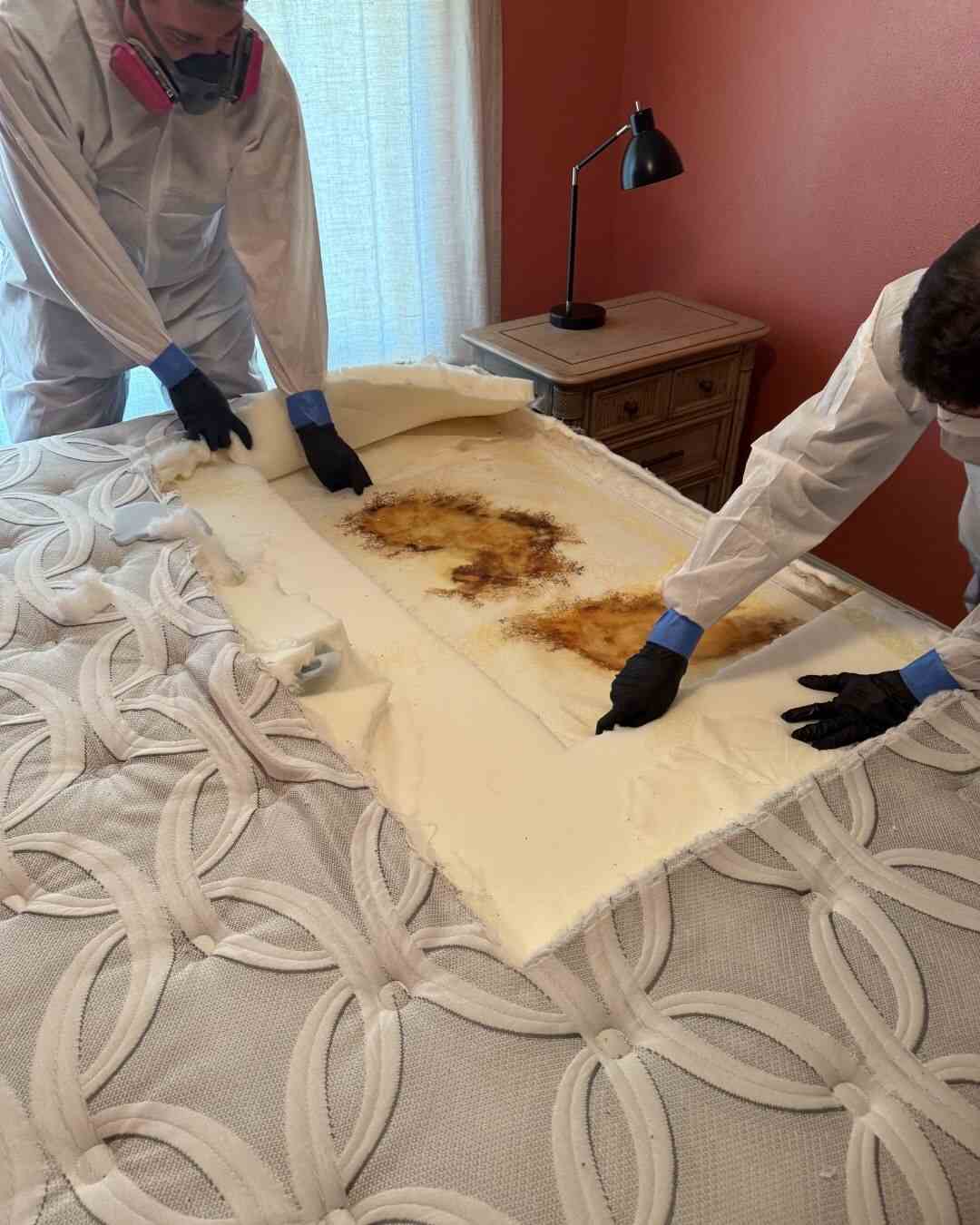
Mold remediation or the treatment of fungal contamination in buildings, applies bioremediation principles in both the removal and prevention phases. Physical removal of mold-saturated materials is combined with treatment of underlying surfaces to address residual spores.
The goal is to return airborne mold spore counts to acceptable levels and remove the conditions that allowed mold to establish. Spaulding Decon offers mold remediation services across all service locations.
Drug lab decontamination
Properties used for methamphetamine production or other drug manufacturing present a specific bioremediation challenge. Chemical residues, including solvents, precursor chemicals, and byproducts contaminate surfaces, HVAC systems, and in severe cases, structural materials.
Enzyme-based bio-wash treatment is part of the decontamination process, combined with specialist chemical cleaning and followed by air quality testing to confirm clearance.ю
What Bacteria and Pathogens Are Involved in Bioremediation?
The specific organisms depend entirely on the contaminant being targeted. In environmental bioremediation, commonly studied bacteria include:
- Pseudomonas putida (versatile; breaks down aromatic hydrocarbons, solvents, and some pesticides)
- Alcanivorax borkumensis (marine bacterium specialising in alkane degradation; key in oil spill response)
- Dechloromonas aromatica (treating benzene and related compounds in contaminated groundwater)
- Phanerochaete chrysosporium, a fungus used in mycoremediation of persistent organic pollutants.
In biohazard and crime scene cleanup, the active agents are enzymes such as protease, lipase, and amylase, derived from or based on microbial sources and applied directly to contaminated surfaces.
These are professionally formulated products applied by trained technicians following OSHA bloodborne pathogen protocols, not raw microbial cultures introduced to the property.
Is Bioremediation Safe? Pathogen Risks and Why This Is Never a DIY Job
In environmental applications such as soil, groundwater, or oil spills, bioremediation is one of the lower-risk intervention methods available. The organisms involved are typically naturally occurring and do not introduce new hazardous compounds into the environment.
In the context of a biohazard scene inside a building, the word “safe” requires a more careful answer.
The pathogens present at a crime scene, trauma site, or unattended death location are not abstract risks:
- Hepatitis B can survive on surfaces outside a host body for up to seven days
- Hepatitis C can remain viable on environmental surfaces for up to six weeks at room temperature
- MRSA can persist on non-porous surfaces for weeks and resists many common disinfectants
- Decomposition bacteria (including Clostridium and Bacteroides species) are hazardous through inhalation, ingestion, or mucous membrane contact
IN PRACTICE — SPAULDING DECON
When a Spaulding Decon team enters a site following an unattended death, the first action is a thorough site assessment to map contamination spread, including subsurface penetration not visible to the naked eye.
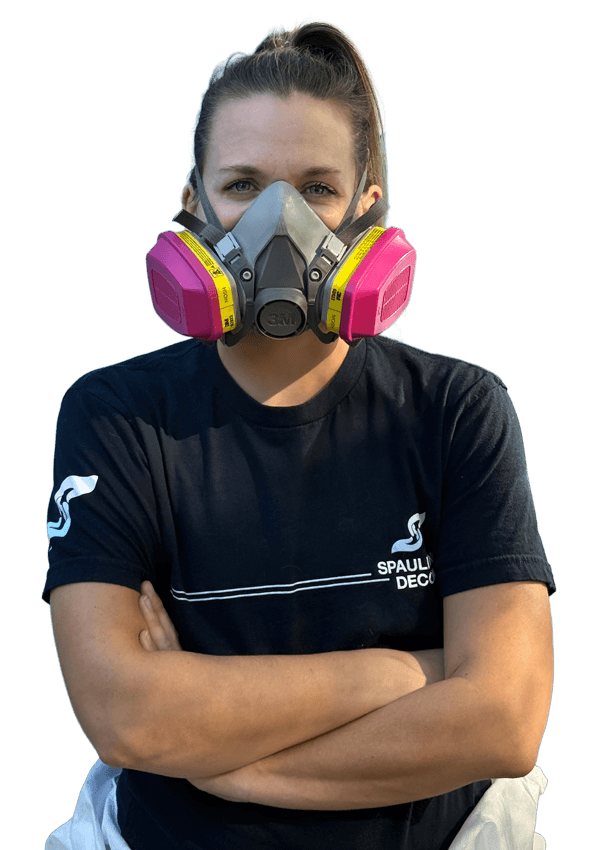
The team operates under OSHA 1910.1030 bloodborne pathogen standards: full Tyvek suits, N95 or P100 respirators, double-glove protocol, and controlled donning/doffing to prevent cross-contamination during suit removal. Containment barriers are installed before any physical work begins.
DIY RISK: Bleach and household disinfectants do not deactivate all bloodborne pathogens at standard application concentrations. They can break protein bonds at the surface while leaving pathogen-laden material present in subsurface layers, particularly in porous materials such as carpet, underlayment, grout, and untreated concrete.
A property that passes the “smell test” or “visual test” after a DIY attempt may still have measurable biological contamination. The only confirmation is independent ATP clearance testing.
If you have questions about whether a scene is safe to re-enter, see our disinfection and decontamination standards.
How Long Does Bioremediation Take?
The range is wide: from a single day for a small contained biohazard cleanup to a decade or more for large-scale industrial soil remediation. The honest answer depends on what is being treated, at what scale, and using which method.
| Contamination Type | Typical Timeline | Key Variables |
| Crime scene / trauma scene | 1–3 days | Extent of subsurface penetration; whether structural removal is required |
| Unattended death / decomposition | 2–5 days | Discovery timeline; degree of VOC saturation; affected surface area |
| Mold remediation (residential) | 1–5 days | Area size, material removal, air quality clearance testing |
| Drug lab decontamination | 3–7 days | Chemicals involved, HVAC contamination extent, regulatory testing |
| Industrial soil / groundwater | Months to years | Contaminant depth and type; regulatory milestone requirements |
| Large-scale oil spill | Months to years | Volume, water temperature, availability of microbial populations |
On mold specifically: After treatment, a minimum 24–48 hour waiting period before re-occupancy is standard but the clearance decision should be based on post-treatment air quality testing, not a fixed-hour rule. Your remediation company should provide a clearance certificate based on measured spore counts before you return.
Any company that quotes a fixed timeline before assessing the actual scene is working from a script, not your situation. The ranges above are starting points for a conversation after a proper on-site inspection not guarantees.
How Spaulding Decon Handles Crime Scene and Biohazard Remediation
Spaulding Decon’s remediation teams are trained in biohazard cleanup and follow documented OSHA-compliant safety protocols on every job. Here is the actual sequence our teams follow: the practical process that gets a contaminated property back to a safe, verified condition.
The 5-stage protocol: From assessment to ATP clearance
Stage 1: Site assessment and contamination mapping
Before the personal protective equipment (PPE) goes on, the team lead maps the full extent of contamination, including subsurface penetration into flooring, subfloor, and wall cavities. Blood and biological fluids migrate through carpet into underlayment, through unsealed grout into subfloor, and along wall cavities through capillary action. Skipping this step means missing contamination zones.
Stage 2: Containment zone establishment
Poly sheeting barriers isolate the affected area from clean zones. HEPA-filtered negative pressure units may be deployed in enclosed spaces. All team members follow full PPE donning protocol at the containment boundary.
Stage 3: Physical removal of saturated porous materials
Carpet, underlayment, drywall, insulation, and mattresses that have absorbed biological material are removed and disposed of as regulated biohazardous waste under a medical waste disposal manifest. Documentation is provided to the property owner and their insurance carrier.
Stage 4: Enzyme bio-wash application and deodorisation
Enzyme-based bio-wash formulations containing protease, lipase, and amylase enzymes are applied to all affected hard surfaces and structural elements. These enzymes break down the protein, fat, and carbohydrate components of biological material at a molecular level. Thermal fogging or ozone treatment addresses VOC odour sources, not fragrance application over the problem.
Stage 5: Third-party ATP clearance testing
An independent tester conducts ATP bioluminescence surface testing and, where indicated, air quality sampling. ATP testing detects the presence of any biological material at the cellular level. A pass confirms contamination has been reduced to below the threshold for safe occupancy. This documentation is typically required for final insurance claim settlement.
Why enzyme bio-wash and not bleach and ammonia?
Before professional bioremediation methods became standard, bleach and ammonia were the default for biohazard cleanup.
The problems with this approach are well-documented: bleach denatures proteins on the surface but does not penetrate porous materials.
Mixing bleach with ammonia or ammonia-containing biological material produces chloramine gas, which is harmful in enclosed spaces. And neither chemical breaks down the complex organic molecules in decomposition material.
Enzyme bio-wash treatment is slower and more expensive than bleach application, but it is the appropriate method. It breaks down what needs to be broken down, and the results can be independently verified.
Insurance coordination and disposal documentation
Standard homeowners insurance policies in most US states cover biohazardous contamination from sudden and accidental events, including crime scenes, accidents, and in many cases unattended deaths.
What insurance carriers require:
- A written site assessment
- A medical waste disposal manifest
- An itemised scope of work
- A third-party clearance test result.
Spaulding Decon provides all of these as standard and works directly with adjusters. See our insurance-approved vendor page for more information.
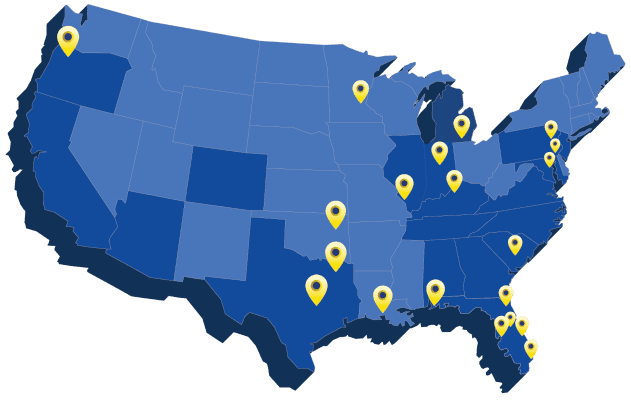
| Need Immediate Biohazard Cleanup? Spaulding Decon is available 24/7 across 18 US locations. Same-day estimates available. Call Now: (866) 726-2316 |

Bioremediation Pros and Cons
Advantages: Lower environmental impact than chemical-only methods. Breaks down biological material at the molecular level and results can be independently verified through ATP clearance testing.
Enzyme-based bio-wash does not introduce additional toxic chemicals into the property. For large-scale soil and water contamination, it is often the only practical option at scale. It can be combined with physical removal for comprehensive site remediation.
Limitations: Slower than chemical treatment in many contexts as microorganisms require the right environmental conditions.
Not effective as a standalone approach for severely saturated porous materials: physical removal must come first. Results depend on the correct application.
Some synthetic contaminants are resistant to biological breakdown. Requires professional assessment to confirm it is the right method for the specific contamination type.
Bottom line: Bioremediation works best as one component of a structured cleanup process: combined with physical removal where necessary, and followed by independent verification. When correctly applied, it is the most thorough way to address biological contamination in a property.
Frequently Asked Questions About Bioremediation
Bioremediation is using living organisms, mostly bacteria and fungi, to break down hazardous substances into less harmful compounds. Instead of removing contamination with chemicals or physical excavation alone, bioremediation lets microorganisms do the breakdown work, converting dangerous material into carbon dioxide, water, or inert biomass.
The three main types are: in situ (treatment at the contamination site without removal), ex situ (material removed and treated elsewhere), and intrinsic bioremediation, which is also called natural attenuation. The latter is monitored natural recovery by existing microbial populations. In situ and ex situ are active approaches; intrinsic is only appropriate for low-level, isolated contamination far from human exposure.
In environmental applications, yes and is one of the lower-risk intervention methods available. In biohazard cleanup inside buildings, “safe” depends entirely on who is doing the work. Pathogens including Hepatitis B, Hepatitis C, and MRSA can survive on surfaces for days to weeks. Professional teams operating under OSHA bloodborne pathogen standards with full PPE and containment protocols are the appropriate response.
The cost varies significantly by scale and contamination type. A residential biohazard cleanup ranges from a few hundred to several thousand dollars, depending on the scene extent. Many residential situations are covered fully or partially by homeowners insurance. Spaulding Decon works directly with insurance providers on documentation and billing.
Common examples include: Pseudomonas putida (hydrocarbons and solvents), Alcanivorax borkumensis (oil spill response), and Dehalococcoides species (chlorinated compounds). In biohazard cleanup, the active agents are enzymes like protease, lipase, and amylase, which are derived from microbial sources and applied directly to contaminated surfaces by trained technicians.
The main limitations are slower action than chemical treatment in many contexts; dependence on specific environmental conditions (temperature, moisture, oxygen); inability to treat some synthetic or non-biodegradable contaminants; and the requirement for professional assessment. It also cannot replace physical removal where porous materials are too saturated to be treated in place.
A minimum of 24–48 hours is standard, but the clearance decision should be based on post-treatment air quality testing and not on a fixed time rule. Your remediation company should provide a clearance certificate based on measured spore counts before you return.
Mold remediation is a specific application of bioremediation principles applied to fungal contamination in buildings. It involves physical removal of mold-affected materials combined with treatment of remaining surfaces to address residual spores. Bioremediation is the broader discipline. Mold remediation is one specialised area within it.
In most cases, no. At least not safely. And in some jurisdictions, not legally. Biohazardous scenes involving blood, bodily fluids, or decomposition material present serious pathogen risks that standard cleaning products do not adequately address. Improper disposal of biohazardous waste also violates federal and state regulations. Professional remediation with proper documentation is required.
The primary goal is to reduce or eliminate hazardous contaminants from a site, whether soil, water, or a building to a level that is safe for human health and the environment. A secondary goal is to achieve this with less disruption and fewer secondary chemical hazards than conventional methods require.