
Caregories
- Biohazard / Crime Scene
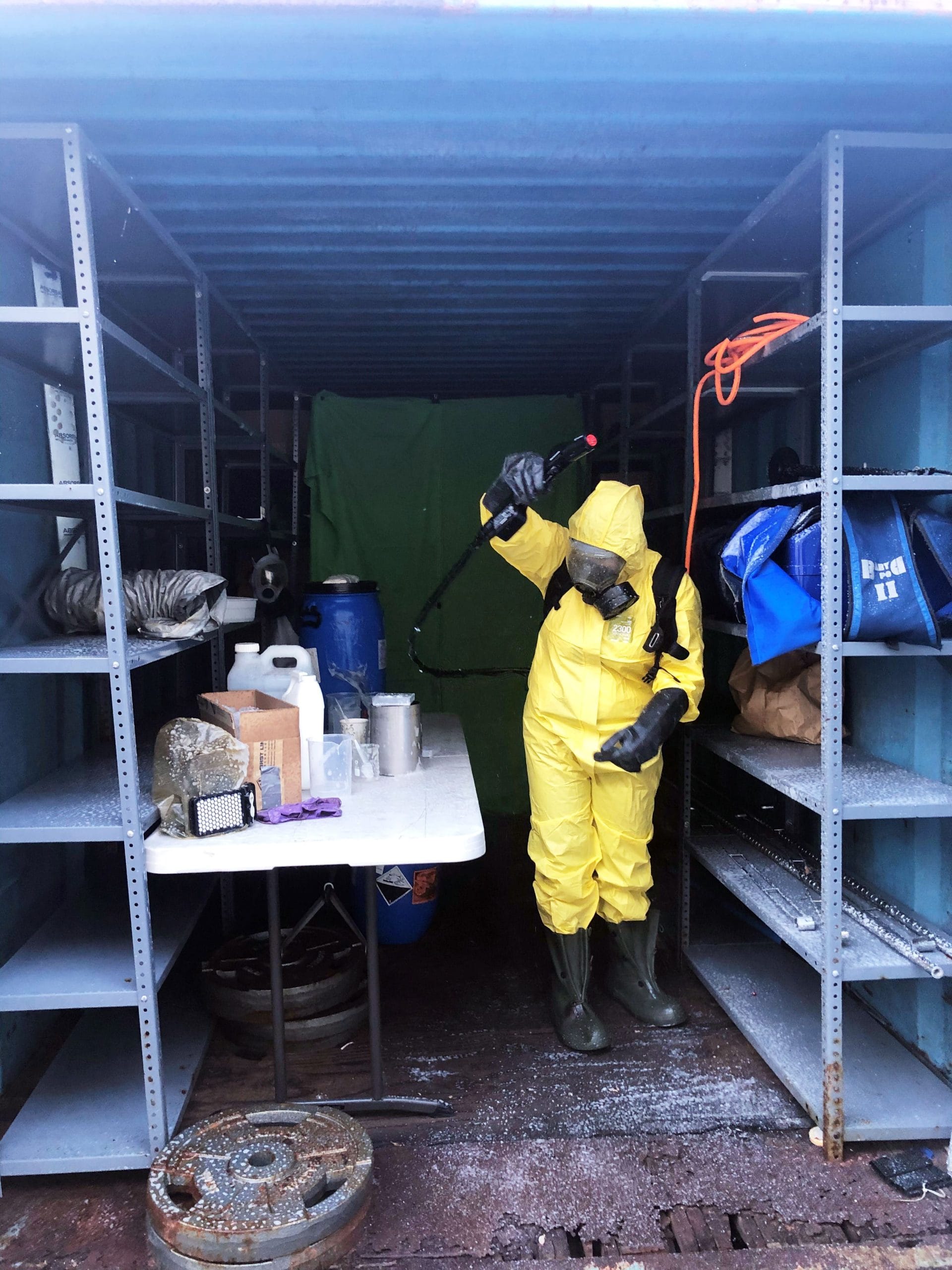
- Decontamination
- Drug lab cleanup
- Hoarding Cleanup
- Home Cleanout Services
- Mold Removal
- News and Updates
- Rodent Infestations
- Tear Gas Cleanup
- Uncategorized
- Water Damage

Mention the Methods of Decontamination
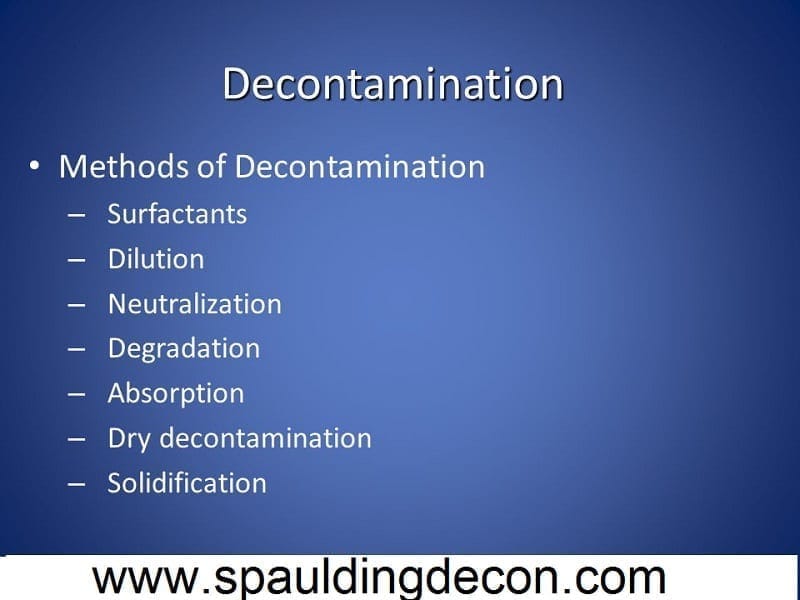
Decontamination is a cleaning method used to prevent the spread of germs and bacteria. There are several methods of decontamination, including disinfection, ultrasonic decontamination, physical decontamination, sterilization, water purification, and antisepsis. Disinfection is the most common method and involves the use of chemicals, drugs, and special detergents to reduce the percentage of microorganisms in an…

Meth Contamination: Why Are Meth Labs so Difficult to Repair?
Methamphetamine use is prevalent in the United States, and meth labs are highly toxic environments that require careful testing, cleaning, and remediation. Meth labs often contain dangerous chemicals and traps that can cause harm to anyone who enters without proper assessment by law enforcement. It’s important to recognize the signs of a former meth lab,…

Meth Lab Cleanup: All You Need to Know
Methamphetamine is a highly addictive and dangerous drug that can be produced in makeshift, poorly executed labs that pose a serious health and safety risk to those who come into contact with them. Exposure to meth residue can cause a range of physical and mental health issues, including liver damage, kidney failure, brain damage, and…

Meth Lab Cleanup No Longer a Trademark
A Washington judge has ruled that the term “Meth lab cleanup” is generic and has not generated a second meaning, invalidating fraudulent trademarks obtained by Meth Lab Cleanup Company, LLC. Bio Clean of Washington took on the company after they were threatened with a lawsuit over using the term on their website. The ruling is…

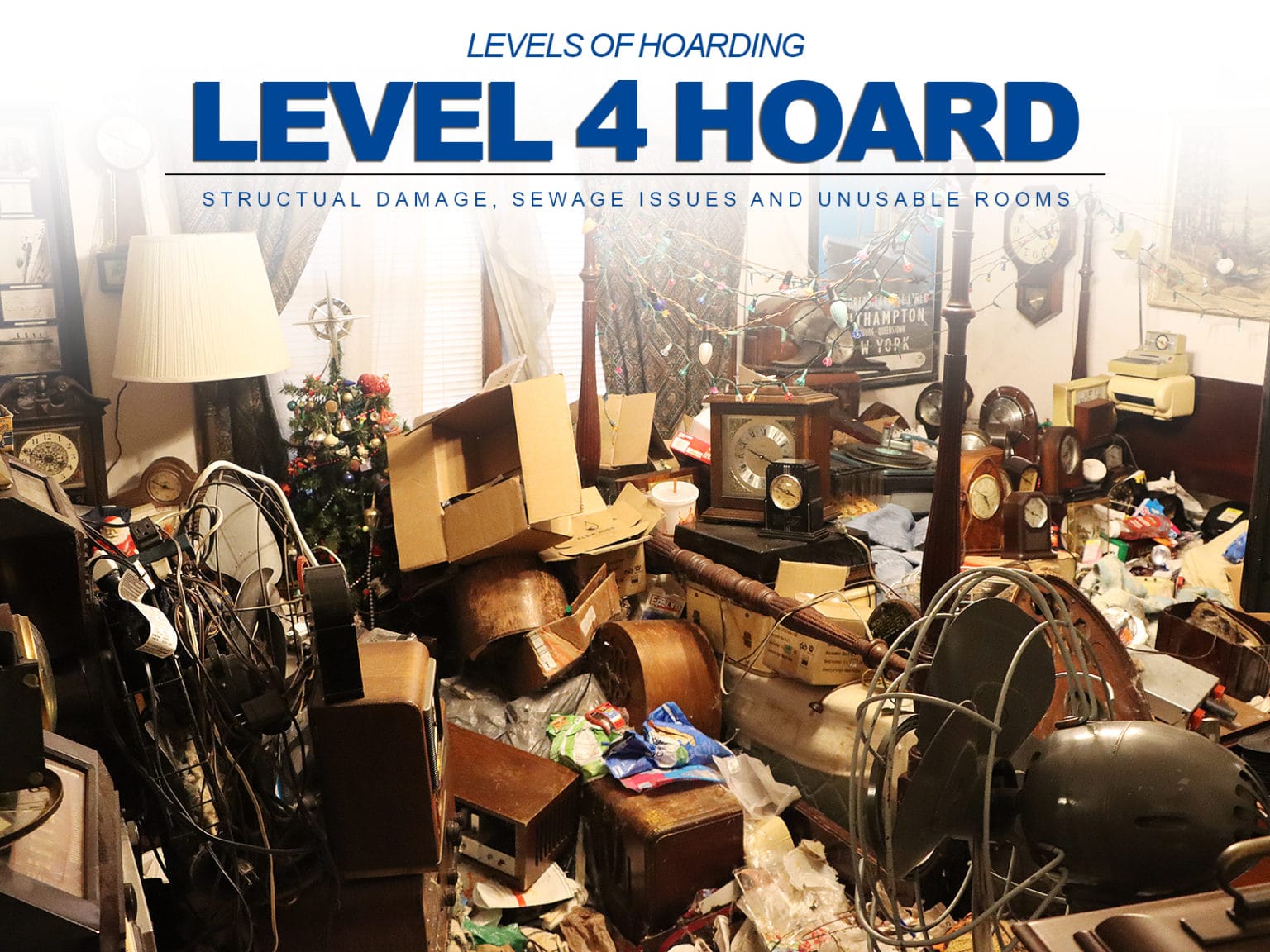
Level 4 Hoarding Explained
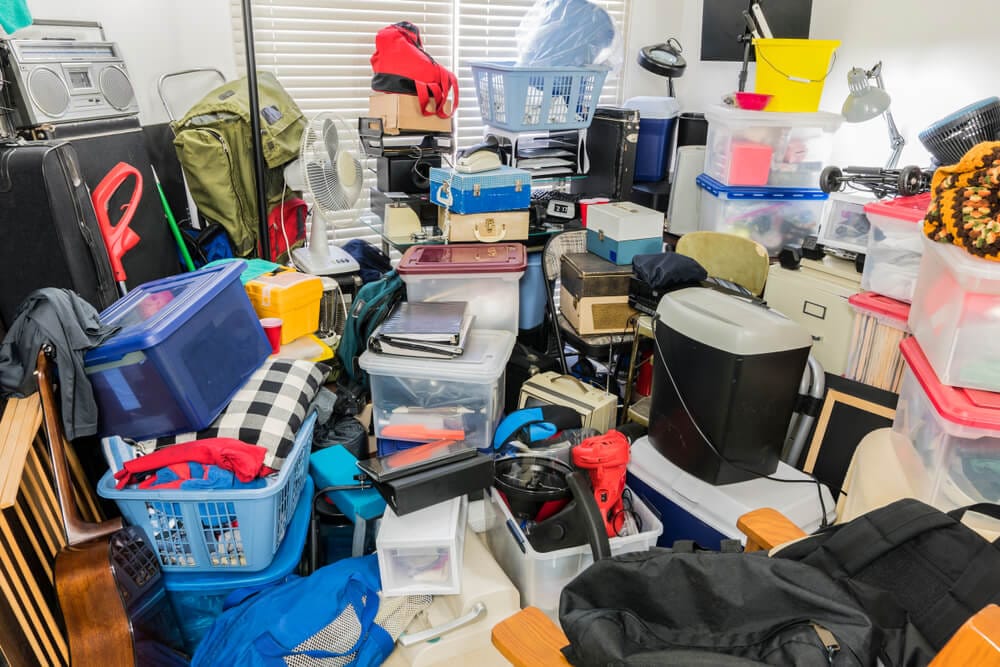
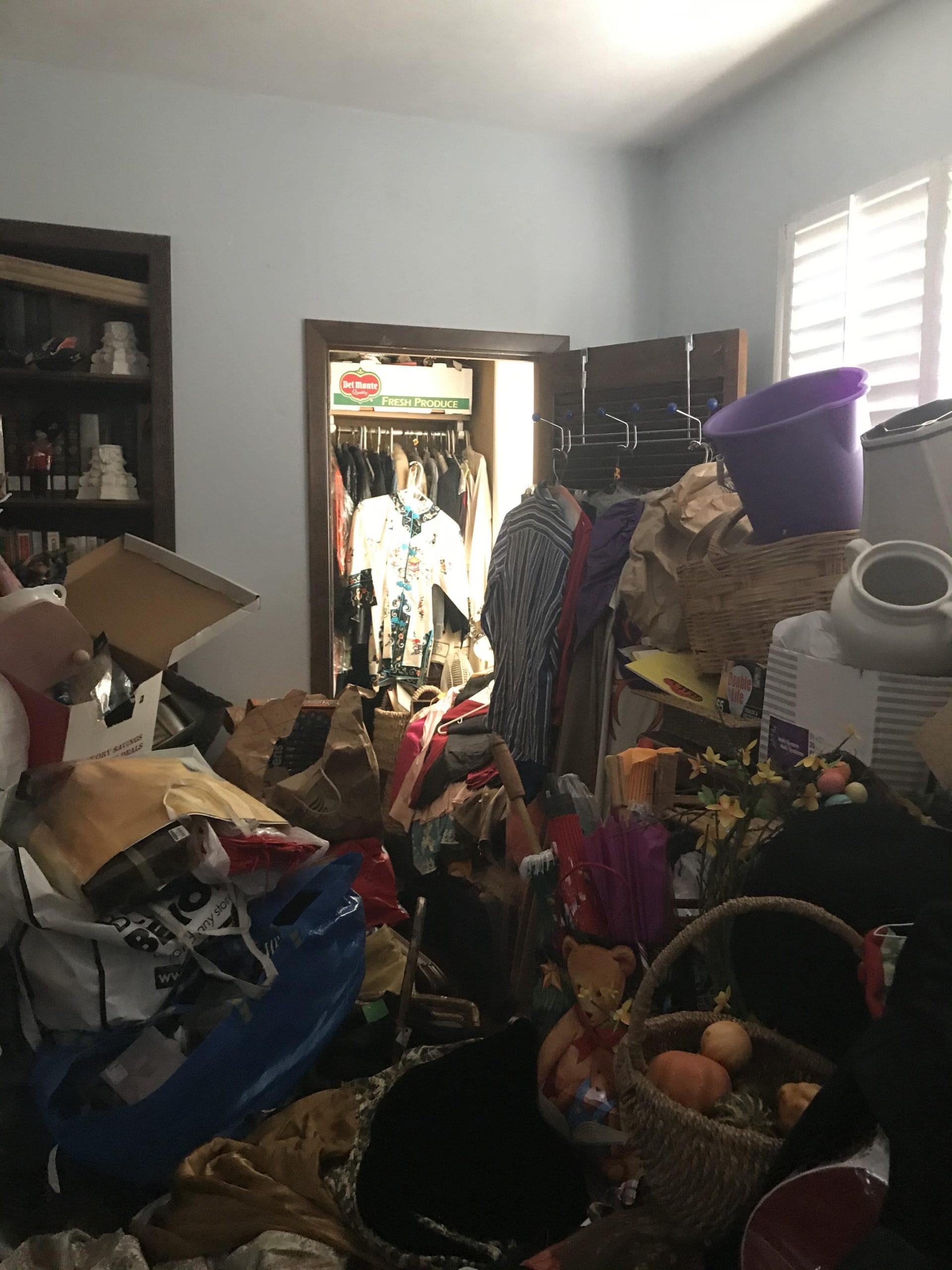
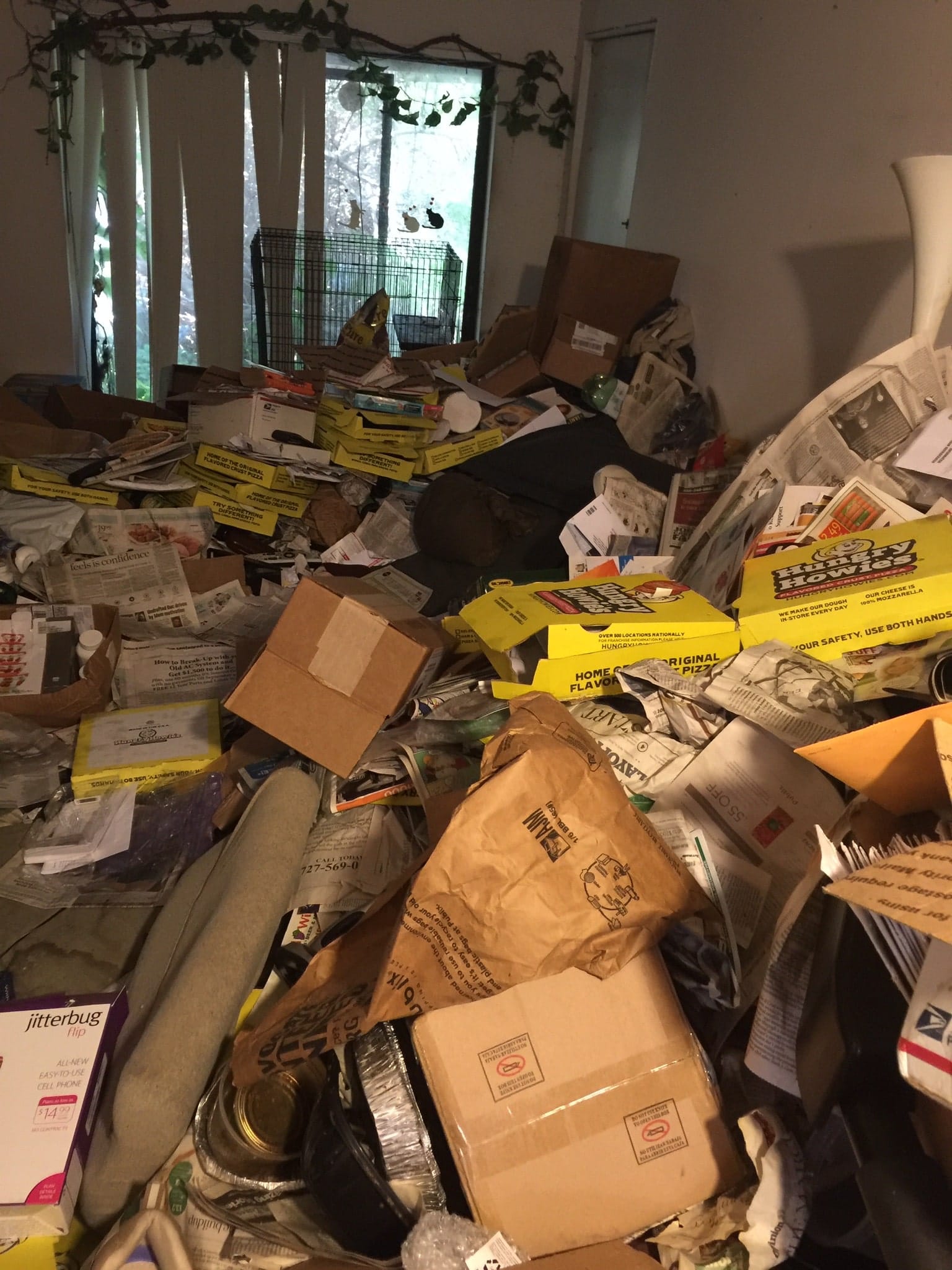
Hoarding level 4 is the second most severe level of hoarding, where multiple rooms are unusable, multiple exits are blocked, there are sewage issues, overpowering odors, large quantities of mold and mildew, and structural damage to the house that is at least 6 months old. There is also a large quantity of rotting food in…

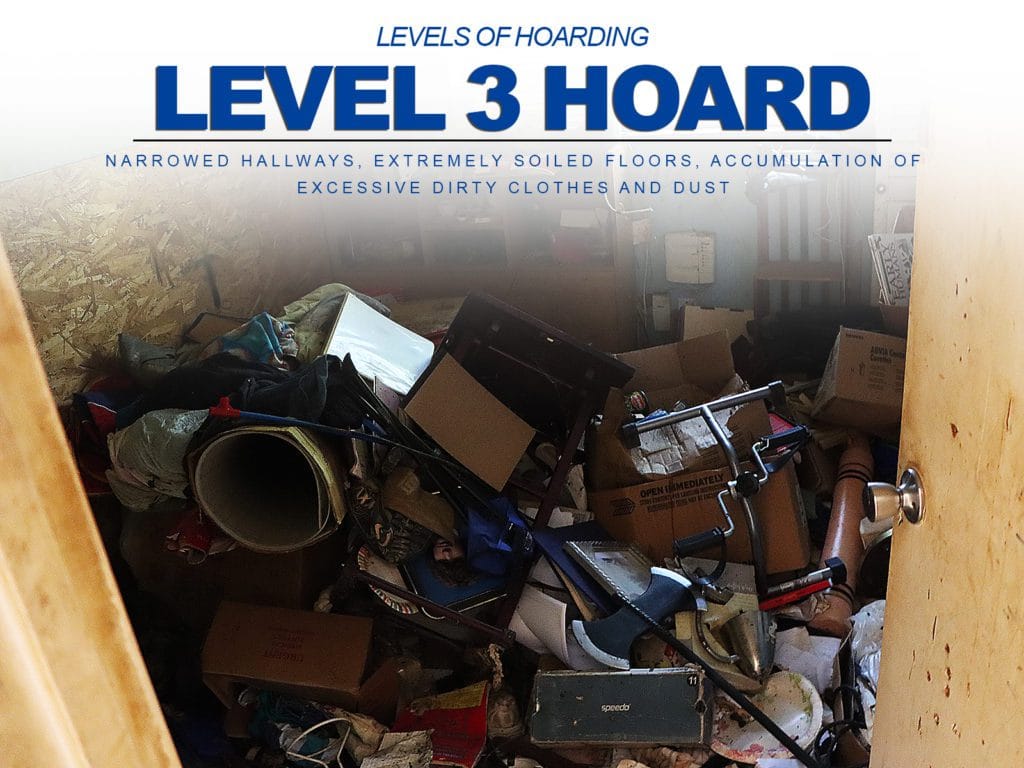
Level 3 Hoarding Explained
Hoarding is a condition characterized by the obsessive and irrational need to keep excessive belongings and trash. The National Study on Compulsive Disorganization has developed a scale that defines the levels of hoarding to aid professionals and affected individuals in determining the severity of the problem. Level 3 hoarding is when the hoarder is unable…

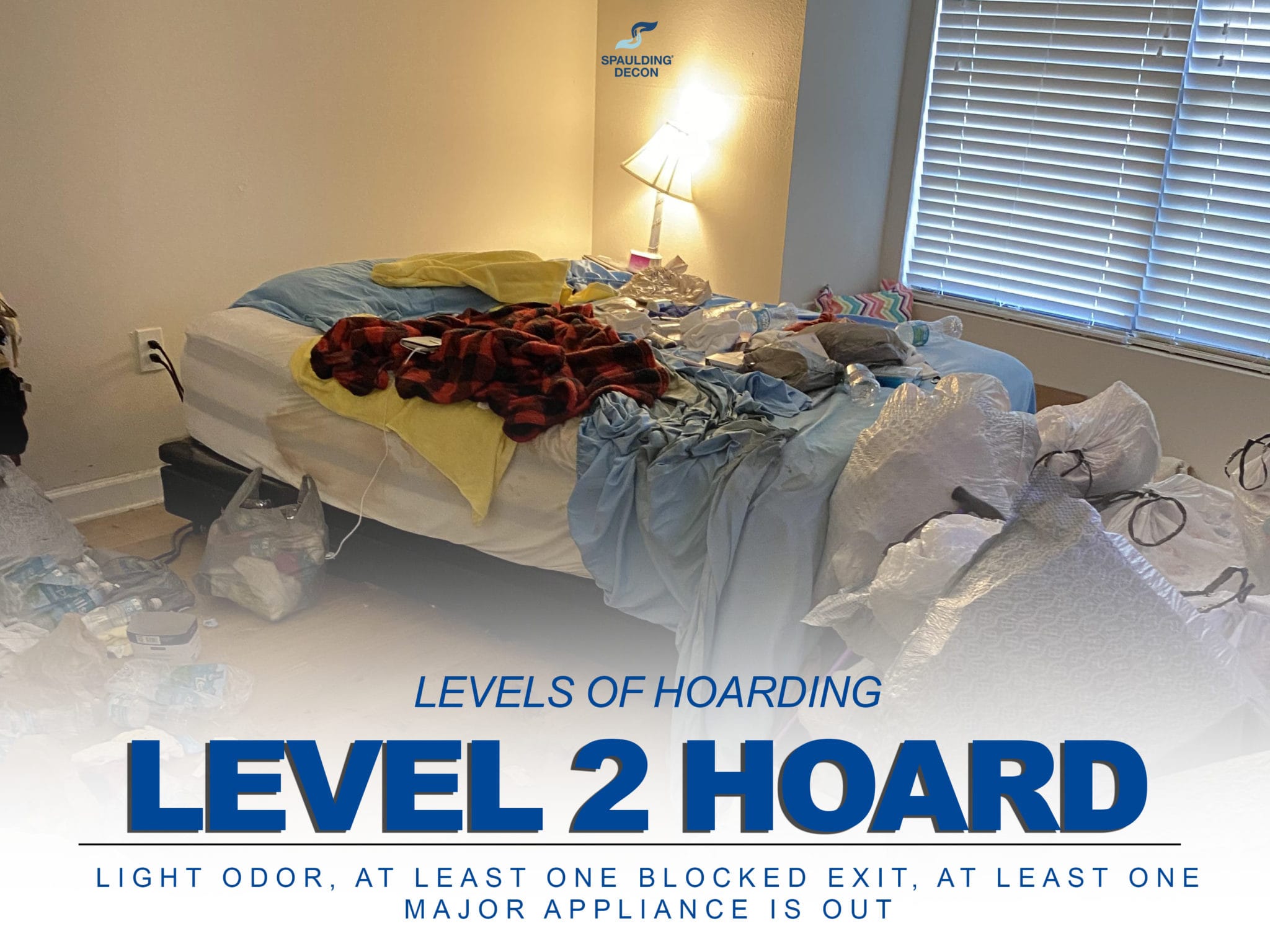
Level 2 Hoarding Explained
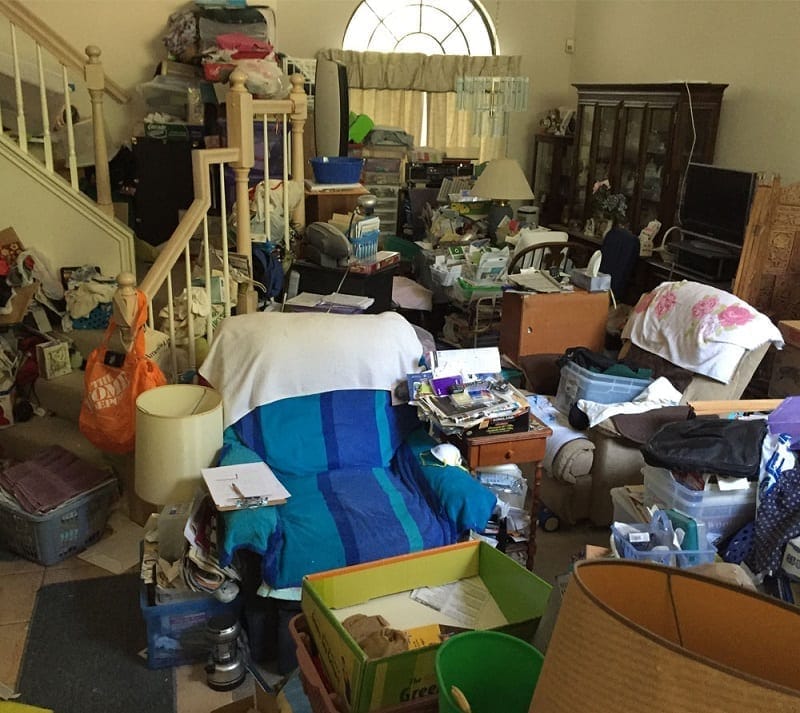
Level 2 Hoarding is the second least severe category on the Clutter-Hoarding scale. Hoarders at this level start to become guarded about the mess and accumulation they can no longer hide. The indicators of a Level 2 Hoard include visible clutter, difficulty in cleaning the hoarded home, messy kitchens and bathrooms, blocked exits from the…

Is Urine a Biohazard? What Situations Require Biohazard Cleaning?
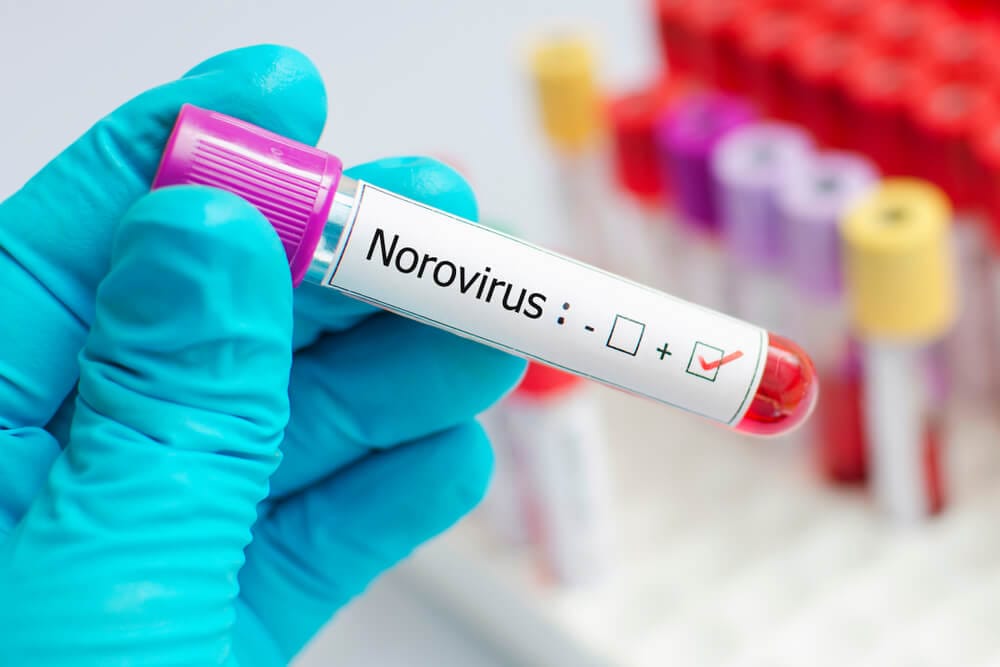
Urine and feces are both categorized as bodily fluids and are considered biohazards due to the presence of bacteria, viruses, and toxins. Consuming or coming in contact with human waste can cause serious health risks such as norovirus, dehydration, and parasitic infections. When cleaning up urine and feces, it is important to wear gloves and…

Is Vomit Considered a Biohazard?
Biohazardous fluids are any biological or chemical substances that may jeopardize the wellbeing of humans, animals, or the environment. Vomit is considered a biohazardous fluid because it can carry hazardous pathogens that can rapidly contaminate surfaces and the air. The most common diseases transmitted via vomit are Salmonella, Typhoid, Hepatitis A, Hepatitis B, Varicella, and…

Know Your Enemy: How to Identify Rodent Droppings
Rodent droppings can be hazardous to your health and can indicate the presence of rats or mice in your home. Common places to find rodent droppings include behind appliances, in garages, under tables, and in bathrooms. Rat droppings are larger than mouse droppings, but both are black and pill-shaped. The age of the droppings can…

Landlord’s Guide to Preventing Meth Contamination
As a landlord, you are at high risk for meth contamination in your properties. It’s important to vet prospective tenants with background checks and criminal records, and to look for signs of meth production such as odd odors or behavior, covered windows, and foot traffic. If your property is busted for drug production, contact a…
How to Help a Hoarder Who Doesnt Want Any Help?
Hoarding disorder is a serious condition that involves compulsive accumulation of possessions regardless of their value. It can be a health hazard and cause conflicts with family and friends, financial issues, and even evictions. Helping a hoarder requires patience, listening, and encouragement to seek professional help. Its important not to clean up for them or…
How to Properly Clean Up Blood? 10 Step Procedure
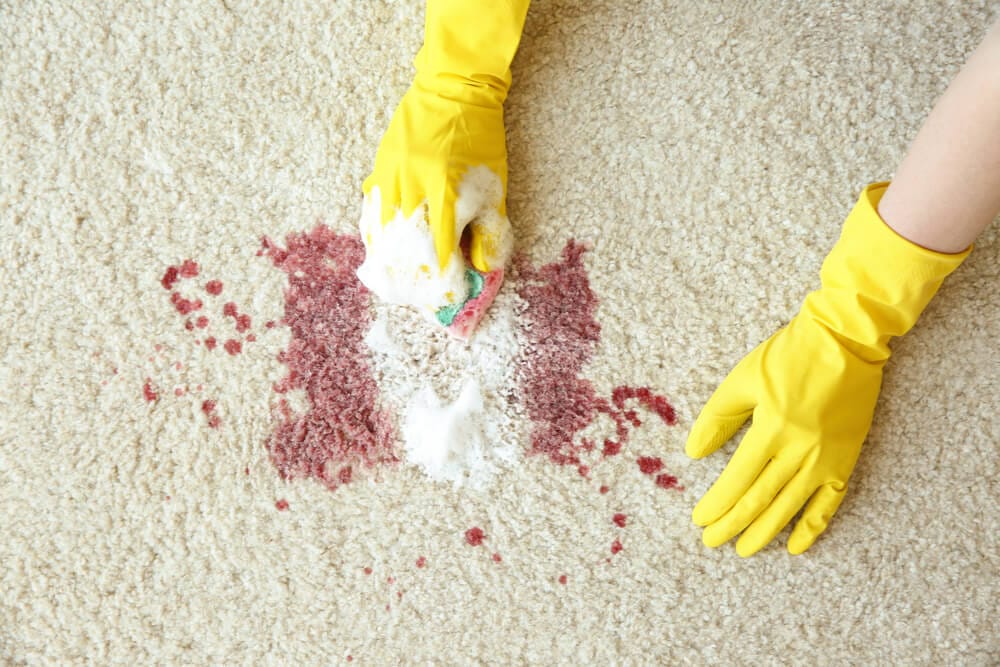
Blood spills should be taken seriously and cleaned up properly to avoid exposure to biohazards. The 10-step blood spill cleanup procedure includes using protective equipment, eliminating potential dangers, soaking up the spill with towels, applying a disinfectant, scrubbing the area, disposing of equipment and waste properly, decontaminating the area and equipment, checking for contamination, washing…
How to Remove Bio-hazardous Material in Hoarding Situations?
Hoarding is a mental illness defined as the excessive saving of items that others may view as worthless, leading to clutter that disrupts living or work spaces. Hoarding can lead to the accumulation of biohazardous material, including human and animal waste, mold, and rodent droppings. Cleaning up a hoarding situation requires protection and the proper…

How To Remove (And Prevent) Mold In Bathrooms & Showers
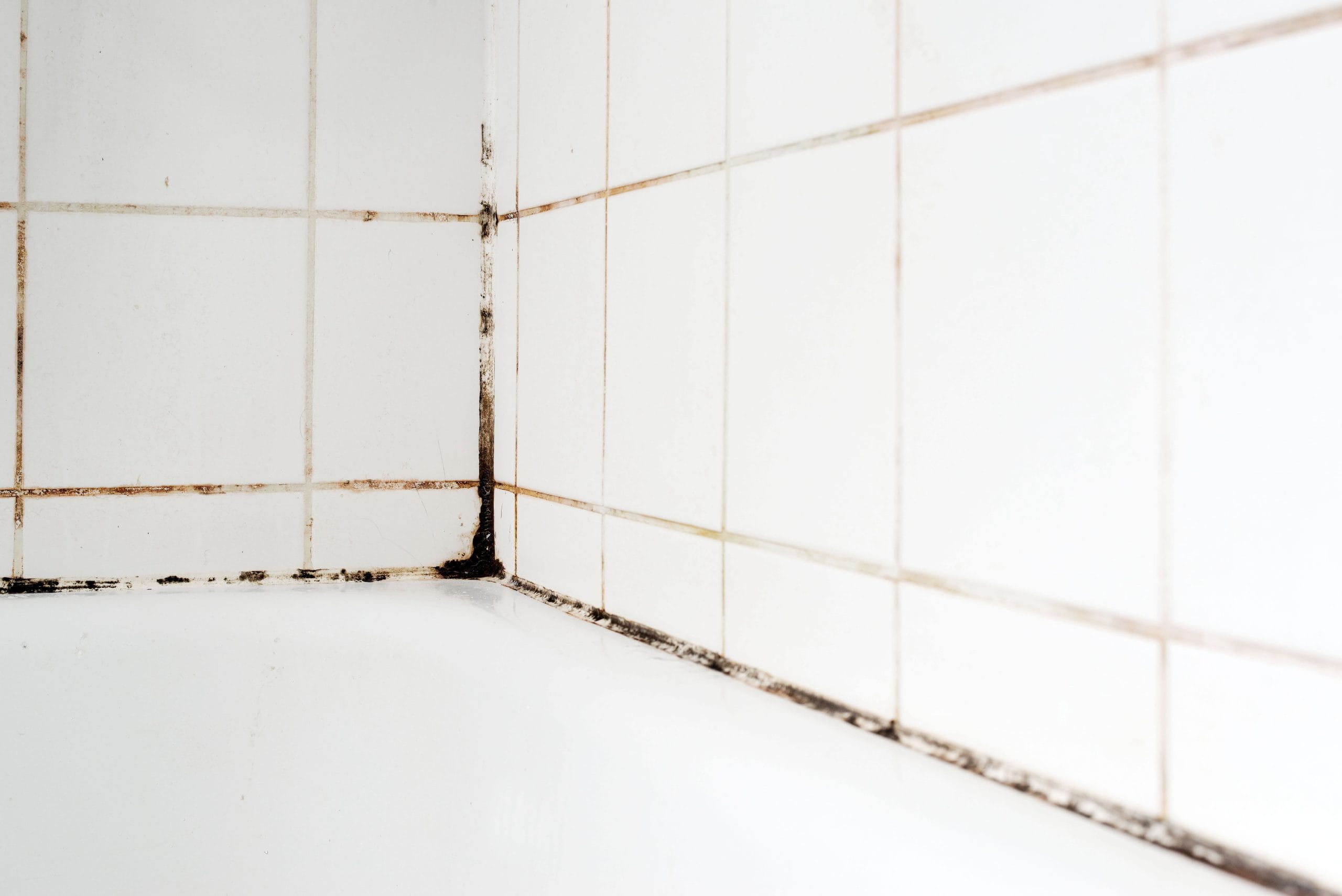
Mold is a common issue, particularly in the bathroom where warmth, moisture, and bacteria provide an ideal breeding ground. In this blog post, we’re skipping the usual health warnings and diving straight into comprehensive, step-by-step instructions to tackle this unsightly menace. We cover a range of surfaces – from showers and tiles to exhaust vents…

Is Hoarding a Mental Illness?
Hoarding is a mental disorder that involves acquiring unmanageable and possibly hazardous amounts of items that are either useless or have limited value. It fills an emotional void for the person with the disorder and is often related to other mental health disorders such as depression, ADHD, anxiety, OCD, and neurodegenerative disorders. Hoarding can cause…

Is Hoarding Nature a Disease?
Term hoarding is a psychological condition in which people collect goods regardless of their usefulness or value. Hoarding is considered a mental disorder that can lead to lasting complications such as anxiety, depression, and severe headaches. Psychiatrists believe that hoarding occurs when a person becomes isolated from society or family and becomes aggressive in their…
How to Become a Crime Scene Cleaner
Crime scene cleanup is a challenging and demanding job that requires physical and mental strength, attention to detail, availability, and readiness to learn. Crime scene cleaners are responsible for cleaning up and decontaminating areas where accidents occurred, and they must be trained to protect themselves from the various hazards involved in the job. Previous experience,…

How to Clean Mouse Droppings from Fabric
Mouse droppings in fabric can be hazardous to one’s health and should be dealt with promptly. It is best to hire a professional to remove the droppings to ensure safety from bacterial particles. Spaulding Decon uses proprietary equipment and highly trained technicians to properly sanitize fabrics. Protective gear, including latex gloves, ventilation masks, and goggles,…

How to Clean Up Blood
Blood cleanup can be dangerous if proper safety precautions are not taken. This step-by-step guide covers everything you need to know about cleaning up blood, from safety precautions to effective cleaning methods. Wear personal protective equipment, ventilate the area, and cover any open wounds before starting. Remove any solid material and excess blood, then clean…

How To Get Insurance To Pay For Water Damage
If you’ve ever experienced water damage to your home, you know how stressful and expensive it can be. With the weather becoming more unpredictable and extreme, water damage is becoming an increasingly common occurrence for homeowners. Did you know that 1 in 60 insured homes filed a water damage claim from 2016 to 2020? In…